
HISTORY OF WELDING

undefined

Sir Humphry DavyIt was not until the 19th century that welding, as we know it today was invented. Edmund Davy of England is credited with the discovery of acetylene in 1836. The production of an arc between two carbon electrodes using a battery is credited to Sir Humphry Davy in 1800.

In that year, Sir Humphry Davy produced the first electric arc between two carbon electrodes through use of a battery. In 1836, Edmund Davy discovered acetylene. But it wasn’t until 1881 that true welding was invented. It started with August De Meritens, who used arc heat to join lead plates together.

Thermite welding was invented in 1893, and around that time another process, oxyfuel welding, became well established. Acetylene was discovered in 1836 by Edmund Davy, but its use was not practical in welding until about 1900, when a suitable torch was developed.
undefined

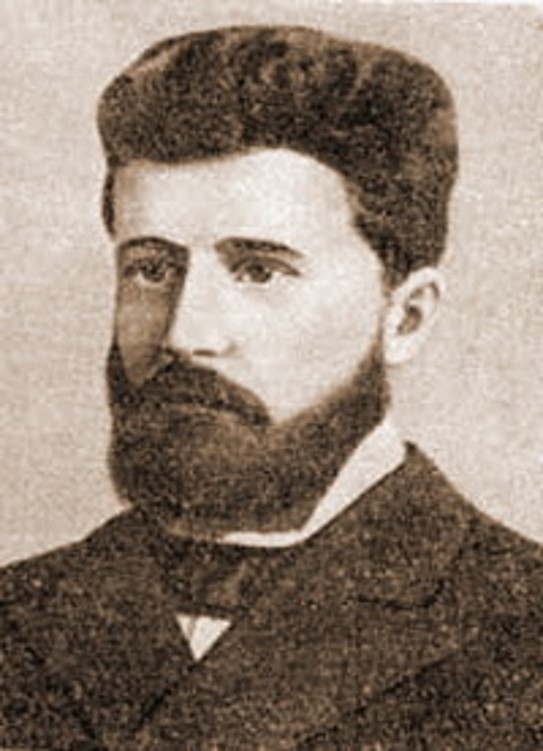
Nikolay Benardos is on a Russian stamp honoring him as the “father of welding.” A sketch of a carbon arc torch is shown to his right. In 1892 Morehead and Wilson accidentally discovered how to make acetylene. It was found that combining acetylene with oxygen produced the hottest known flame temperature.

As opposed to brazing and soldering, which do not melt the base metal, welding is a high heat process which melts the base material typically with the addition of a filler material. The high heat causes a weld pool of molten material which cools to form the join, which can be stronger than the parent metal.

WELDING TIPS!

A welder that is highly skilled and trained can earn a salary similar to what doctors and lawyers make. Traveling is a fun part of the welder’s job. They can even find themselves working on a space station or deep in the ocean! If two pieces of metal without any coating touch in space, they are joined permanently.

stay updated to my blog for more information and have fun!!!!
WELDING!!


HOW IS WELDING DONE

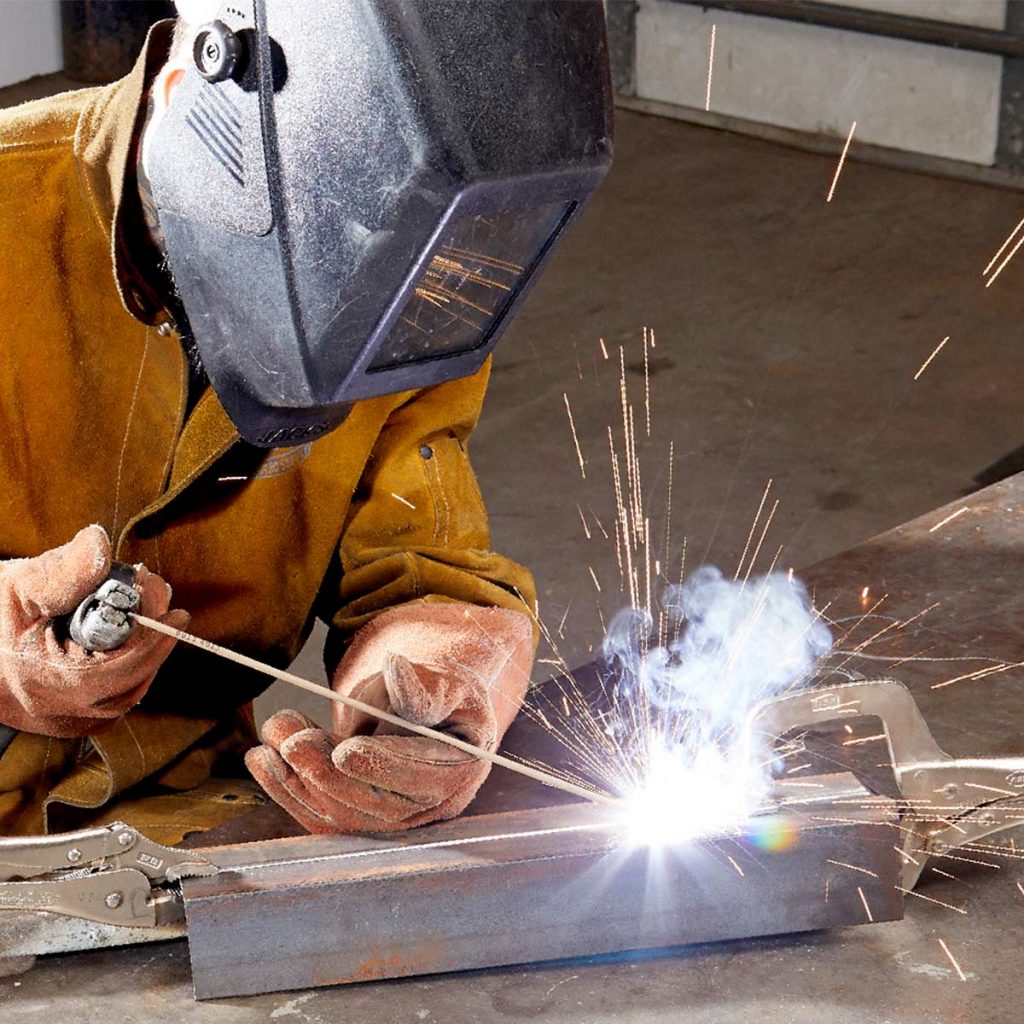
Arc welding uses an electrical arc to melt the work materials as well as filler material (sometimes called the welding rod) for welding joints. Arc welding involves attaching a grounding wire to the welding material or other metal surface. Once that lead is pulled away from the material, an electric arc is generated.

Welding is a fabrication or sculptural process that joins materials, usually metals or thermoplastics, by using high heat to melt the parts together and allowing them to cool causing fusion. … Welding also requires a form of shield to protect the filler metals or melted metals from being contaminated or oxidized.

IS WELDING DIFFICULT?

It’s not difficult to weld. Anyone can weld and make 2 pieces of metal stick together, although it does require some practice at a beginner/hobbyist level (this does not make you a β€œwelder”). There are many welding processes and metals and all take time to learn, some easier than others.

But, welding can be moderately to very hard, depending upon the person. You can’t learn it from books or videos; it’s definitely a “hands-on” skill. … Not only from a skill standpoint, but welding takes it toll on the human body. It will damage your eyesight, it can damage your skin (both from UV radiation).

WELDING DOESN’T SHORTEN YOUR LIFE πŸ™‚

Welding involves intense heat, high electrical current, dangerous fumes and very bright light so training in procedure and safety is very important but no, if done correctly should not shorten ones life.

WELDTIPS

Take a look at 6 of the highest paying welding jobs.

  • Industrial Pipeline Welders – $36,414 – $106,348.
  • Underwater Welders – $54 750 – $300 000.
  • Military Support Welders – up to $160 000.
  • Nuclear Industry Welders – Varies.
  • Aerospace Welders – $29 540 – $60 000.
  • Certified Welding Inspector – $70 000+

stay updated to my blog for more information and have fun!!!!
What are the four types of welding.

More than 30 different types of welding exist, and they range from simple oxy-fuel to high-tech processes such as laser beam welding. However, only four welding types are used commonly, and they are MIG, TIG, Stick and Flux- Cored arc welding

MIG(Metal Inert Gas)

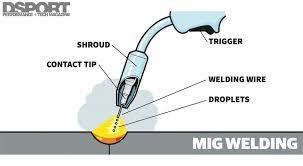
MIG Welding

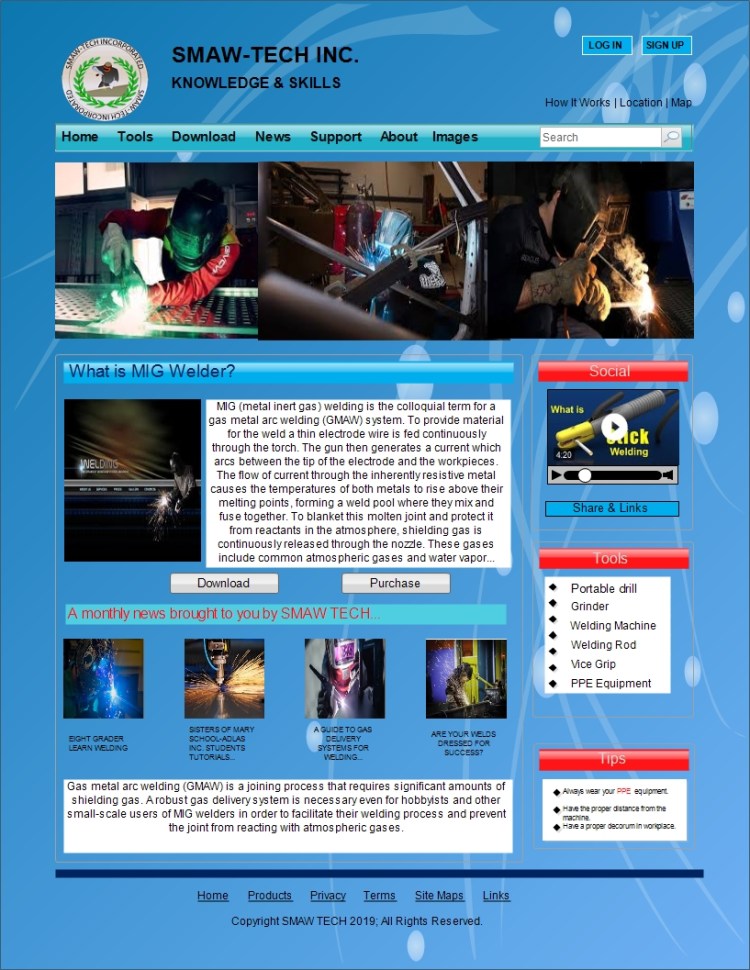
MIG welding is an arc welding process in which a continuous solid wire electrode is fed through a welding gun and into the weld pool, joining the two base materials together. A shielding gas is also sent through the welding gun and protects the weld pool from contamination. In fact, MIG stands for metal inert gas.

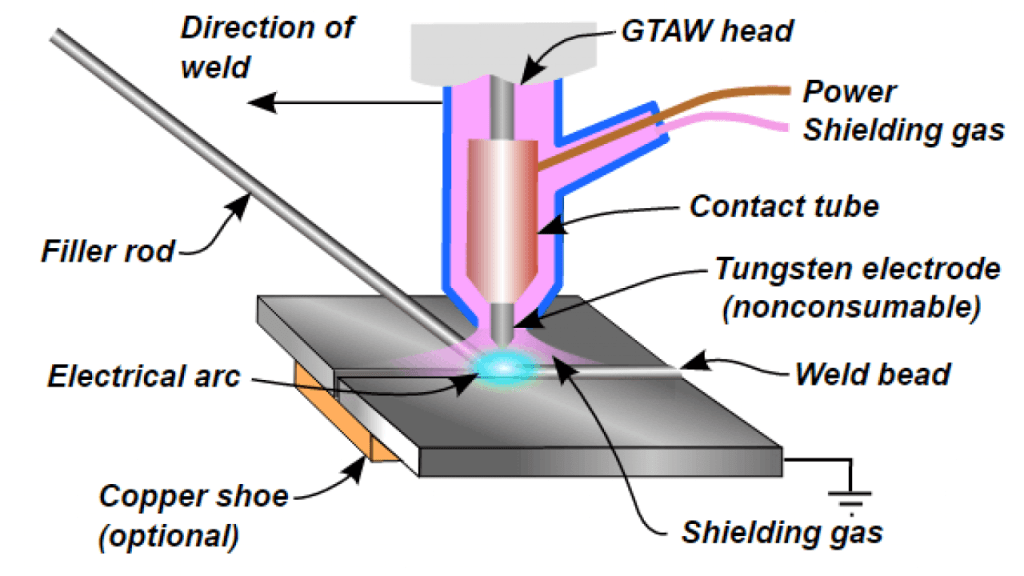
TIG(Tungsten Inert Gas)

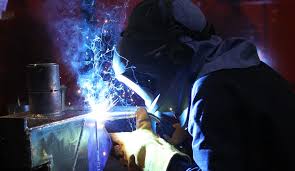
TIG welder at work

TIG can be used to weld copper, titanium, even two dissimilar metals, and is handy for making tricky welds (e.g. s-curves, or welds on round things).. TIG generates heat via an arc of electricity jumping from a (tungsten metal) electrode to the metal surfaces you intend to weld – usually aluminum or steel.

STICK

STICK Welding

Stick Welding or Shielded Metal Arc Welding is one of the earliest and most popular welding processes. Its simplicity and versatility contribute to its popularity. It is used primarily to weld iron and steel and is used extensively in the maintenance and repair industries and construction of heavy steel structures.

FLUX

FLUX Welding

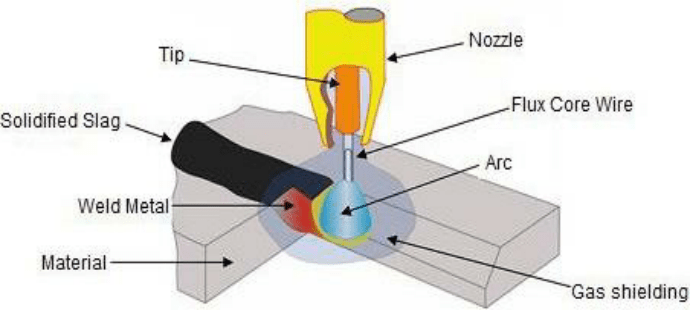
Flux-core welding offers greater penetration, which is good for working with thicker joints. It also allows the welder to travel in all directions and hold the torch in a number of directions. This makes it particularly suited to general repairs, shipbuilding, and other types of manufacturing.

WELDING TIPS

did you know that..

In 1836, Edmund Davy discovered acetylene. But it wasn’t until 1881 that true welding was invented. It started with August De Meritens, who used arc heat to join lead plates together. A Russian student of his, named Nikolai Benardos, then patented a method of electric arc welding with carbon rods.

stay updated to my blog for more information and have fun!!!!
what is welding?

WELDING TIPS

Hydrogen is welding enemy

Hydrogen is the worst weld-destroying impurity around. Because it is everywhere (in water, dirt, rust, paint, manure, grease), hydrogen is a huge challenge for welders. What can be done to gun down hydrogen? Clean, clean, and clean some more. β€œHydrogen, along with high-residual stress and crack-sensitive steel, may result in cracking hours or days after welding,” says Lincoln Electric’s Hoes. β€œHigh-strength steels (commonly used on tillage implements), thick sections of metal, and restrained parts are more susceptible to hydrogen cracking.” 

stay updated to my blog for more information and have fun!!!!

Design a site like this with WordPress.com
Get started